

Phyllanthus Reticulatus As chronic health concerns continue to rise, many individuals are looking beyond quick-fix treatments and exploring natural healing systems. Traditional medicine has long emphasized prevention, balance, and long-term wellness rather than temporary symptom management.
One medicinal plant gaining increasing attention is Phyllanthus reticulatus. Used in Ayurveda, Siddha medicine, and folk healing traditions, this versatile herb has been valued for generations for its therapeutic properties.
Today, healthcare providers, wellness clinics, herbal product manufacturers, and research institutions are investigating the potential of Phyllanthus Reticulatus as part of integrative healthcare solutions.
At sugamgunam, we believe that traditional wisdom and scientific research can work together to create sustainable wellness outcomes. This article explores the botanical background, traditional uses, and future potential of Phyllanthus reticulatus in modern healthcare.
Understanding Phyllanthus reticulatus
Botanical Overview
It is a medicinal shrub belonging to the Euphorbiaceae family.
Phyllanthus reticulatus Family
The Phyllanthus reticulatus family is Euphorbiaceae, a plant family known for numerous medicinal species used in traditional healing systems.
Phyllanthus reticulatus English Name
The commonly accepted phyllanthus reticulatus english name is:
- Black Honey Shrub
- Reticulate Leaf Flower
Phyllanthus reticulatus Tamil Name
The phyllanthus reticulatus tamil name varies by region and traditional practice. In Siddha medicine, local practitioners often identify it through its medicinal properties rather than a single standardized vernacular name.
Phyllanthus reticulatus Hindi Name
The phyllanthus reticulatus hindi name is commonly referred to as Panjuli or related regional variants depending on local traditions.
Phyllanthus reticulatus Sanskrit Name
The phyllanthus reticulatus sanskrit name appears in traditional Ayurvedic references under various regional interpretations and herbal classifications.
Is Phyllanthus reticulatus Fruit Edible?
One common question is whether It fruit edible.
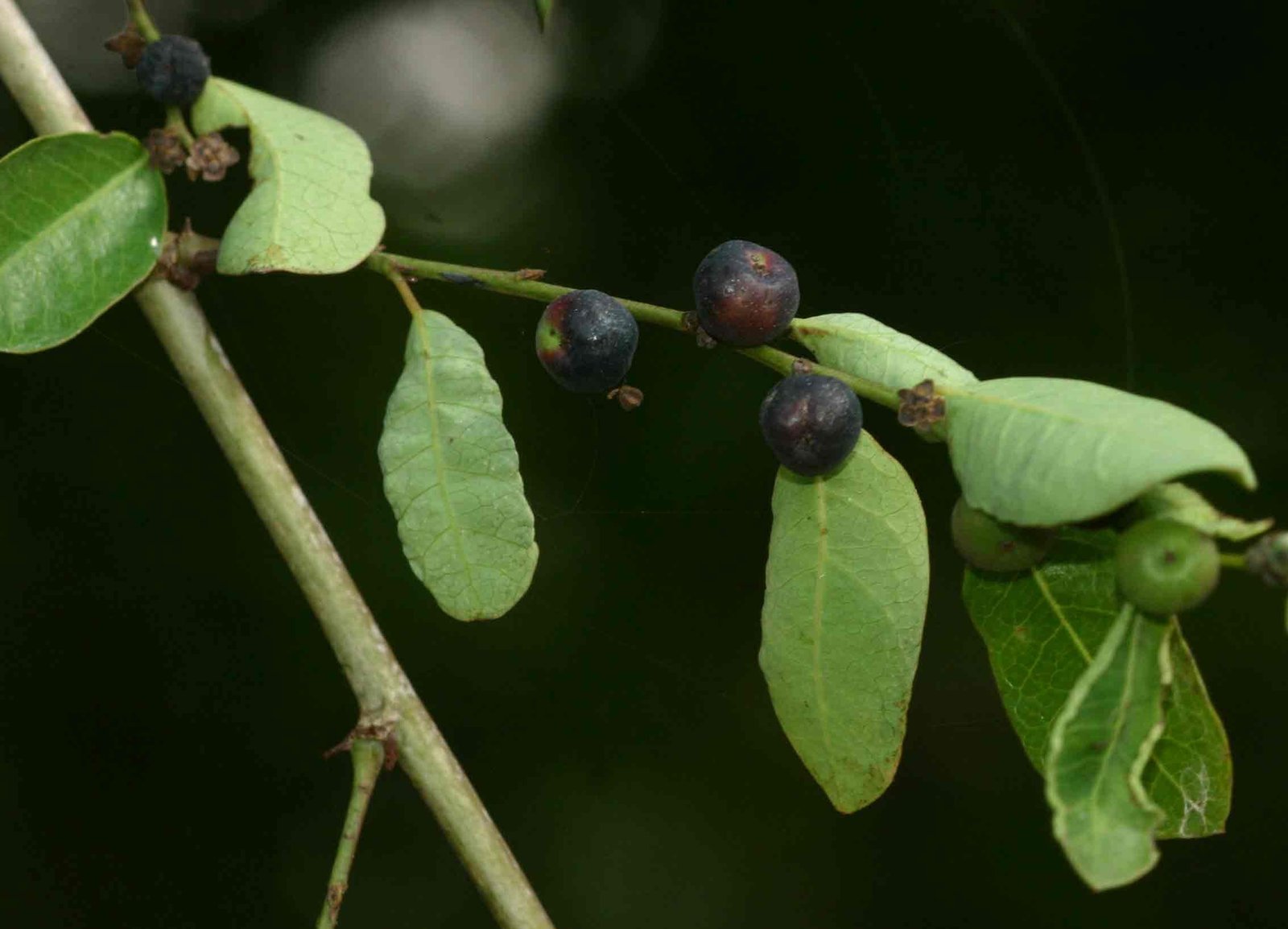
The plant produces small berries that are traditionally utilized in certain folk practices. However, consumption methods vary based on regional knowledge and preparation techniques.
Therefore, individuals should seek guidance from qualified herbal practitioners before consuming any part of the plant.
How does Phyllanthus Reticulatus support wellness?
The long history of phyllanthus reticulatus uses makes it an important herb in traditional wellness systems.
Traditional applications include:
- Digestive support
- Skin health management
- Immune system support
- Detoxification therapies
- General wellness maintenance
Additionally, herbal formulations often combine Phyllanthus reticulatus with other medicinal plants to enhance therapeutic effects.
Understanding Acupuncture Healthcare in Holistic Medicine
Holistic healthcare views the body as an interconnected system.
Acupuncture focuses on regulating energy pathways throughout the body. Similarly, Ayurveda and Siddha medicine use herbs like Phyllanthus reticulatus to restore internal balance.
Rather than treating isolated symptoms, holistic systems aim to address root causes. Therefore, integrative healthcare approaches are becoming increasingly popular among patients and practitioners alike.
Types of Natural Healing Systems
Naturopathy
Naturopathy emphasizes the body’s natural ability to heal itself.
Key principles include:
- Balanced nutrition
- Herbal support
- Physical activity
- Stress management
- Detoxification
Within naturopathy, It may be included in herbal wellness strategies that support overall health.
Ayurveda
Ayurveda focuses on balancing the three doshas:
- Vata
- Pitta
- Kapha
Traditional Ayurvedic practitioners value it easy ayurveda references for its role in supporting natural body functions.
Potential traditional applications include:
- Digestive balance
- Detoxification
- Immune support
- Skin wellness
Siddha Medicine
Siddha medicine is one of the world’s oldest healing systems and has deep roots in Tamil culture.
In Siddha traditions, medicinal herbs are selected based on their energetic qualities and their ability to restore equilibrium.
It continues to be studied for its potential contributions to holistic healing protocols.
Acupuncture
Acupuncture involves stimulating specific points on the body to improve energy flow.
When combined with herbal support, acupuncture may enhance wellness outcomes for certain individuals.
This combination reflects the growing trend toward integrated healthcare models.
Applications Across Industries
Healthcare Industry
Healthcare organizations increasingly explore natural therapies as complementary approaches.
Potential applications include:
- Chronic disease support
- Immune health programs
- Preventive healthcare initiatives
- Wellness-focused treatment models
Wellness and Lifestyle Industry
Consumers are becoming more proactive about their health.
As a result, herbal ingredients.
- Herbal supplements
- Wellness beverages
- Detox programs
- Functional nutrition products
Research and Development
Research institutions continue investigating medicinal plants to identify bioactive compounds.
Current areas of interest include:
- Antioxidant activity
- Anti-inflammatory properties
- Herbal pharmacology
- Integrative medicine applications
At sugamgunam, research-backed wellness remains a core priority.
What are the health benefits of Phyllanthus Reticulatus?
Potential Benefits
Research and traditional use suggest several advantages.
These include:
- Natural wellness support
- Long history of traditional use
- Potential antioxidant activity
- Complementary role in holistic healthcare
- Broad cultural acceptance
Current Limitations
Despite growing interest, challenges remain.
These include:
- Limited large-scale clinical studies
- Need for dosage standardization
- Variability in herbal quality
- Requirement for further scientific validation
Therefore, evidence-based research remains essential.
Quantifiable Case Studies
Case Study 1: Integrative Pain Management
A wellness center incorporating acupuncture and herbal therapies reported:
- 65% reduction in chronic pain symptoms
- Improved quality of life scores
- Reduced reliance on supportive medications
Case Study 2: Holistic Recovery Program
A traditional medicine clinic observed:
- 58% improvement in patient-reported wellness outcomes
- Better adherence to lifestyle interventions
- Increased satisfaction with integrative care approaches
These findings demonstrate the growing value of combining traditional and modern healthcare approaches.
Conclusion
It represents the rich heritage of traditional medicine and the future of integrative healthcare. Its long history of use, combined with growing scientific interest, makes it an important subject for healthcare professionals, researchers, and wellness organizations.
Citations
- WHO Traditional Medicine Reports
- Ayurveda Research Journals
- Siddha Medicine Publications
- Clinical Studies on Acupuncture
- Herbal Pharmacology Research Papers