


Jujube, often called the red date or Chinese date, has been part of kitchens and healing traditions for thousands of years. Once you understand the many jujube uses, it becomes easy to see why this small fruit has earned such a lasting reputation. From soothing teas to nutrient-dense snacks, jujube fits into modern wellness routines just as naturally as it did in ancient ones.
This article walks through practical, everyday jujube uses backed by tradition and current nutritional understanding. Whether you’re new to this fruit or looking for fresh ways to use it, you’ll find clear, actionable ideas below.
What Is Jujube and Why It Matters
Jujube (Ziziphus jujuba) is a small fruit that grows on a deciduous tree native to Asia, though it now grows in parts of the Mediterranean, the Middle East, and North America. Fresh jujube looks similar to a small apple, with crisp, slightly sweet flesh. Once dried, it wrinkles and darkens, taking on a chewy texture and a flavor often compared to dates.
People have used jujube in food and traditional medicine for over 4,000 years, particularly in Traditional Chinese Medicine and Ayurveda. It’s valued for its natural sugars, fiber, vitamin C, and a range of plant compounds like flavonoids and saponins. This combination is part of why jujube uses span everything from cooking to home remedies.
Unlike many exotic fruits that fade in and out of trend cycles, jujube has stayed relevant because it’s genuinely versatile. It can be eaten fresh, dried, boiled into tea, or ground into powder, which opens the door to a wide range of practical applications.
Top Jujube Uses for Health and Wellness
The most common jujube uses center around supporting general wellness, and there’s good reason for that. Dried jujube contains meaningful amounts of vitamin C, antioxidants, and dietary fiber, all of which play a role in everyday health maintenance.
Here are some of the most practical health-related uses people rely on:
- Immune support: Jujube’s vitamin C and antioxidant content make it a popular addition to teas during cold and flu season.
- Digestive comfort: The fiber in jujube can support regular digestion when eaten as a snack or brewed into tea.
- Sleep support: In Traditional Chinese Medicine, jujube seed extract (suan zao ren) has long been used in formulas intended to promote calmness and better rest.
- Stress and relaxation: Some herbal preparations combine jujube with other calming botanicals, reflecting its traditional role in supporting a relaxed nervous system.
- Bone and mineral support: Jujube contains small amounts of calcium, phosphorus, and iron, which contribute to overall mineral intake.
It’s worth noting that while these traditional uses are well documented historically, jujube should complement a balanced diet rather than replace medical treatment. Anyone managing a chronic condition should talk to a healthcare provider before using jujube as a remedy.
Culinary Jujube Uses in Everyday Cooking
Beyond wellness, jujube uses extend deeply into the kitchen, where the fruit’s natural sweetness makes it a flexible ingredient. Dried jujube can substitute for dates in many recipes, offering a similar chewy texture with a slightly tangier, fruitier flavor.
Some popular culinary applications include:
- Adding chopped dried jujube to oatmeal, granola, or trail mix for natural sweetness.
- Simmering whole jujubes in soups and stews, a common practice in Chinese and Korean cooking, where the fruit slowly releases a mild sweetness into broths.
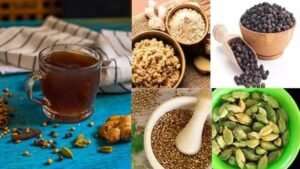
- Brewing jujube tea by boiling dried fruit with water, sometimes combined with ginger, goji berries, or cinnamon.
- Blending jujube into smoothies as a natural sweetener instead of refined sugar.
- Baking jujube into breads, muffins, or energy bars for added fiber and flavor.
In Korean cuisine, jujube (called daechu) appears in the traditional rice dish yaksik and in samgyetang, a ginseng chicken soup often eaten for restorative purposes. These culinary traditions highlight how jujube uses have been woven into daily meals rather than treated as an occasional novelty.
Jujube Uses in Skincare and Traditional Remedies
While less well known in Western markets, jujube also appears in skincare and topical remedies across parts of Asia. Jujube extract is sometimes included in moisturizers and serums, largely because of its antioxidant content, which may help protect skin from everyday environmental stress.
Traditional remedies have also used jujube in the following ways:
- Boiled jujube water applied as a mild skin toner in some folk practices.
- Jujube seed oil used in select cosmetic formulations for its emollient properties.
- Jujube leaf extracts explored in early-stage research for their antioxidant potential.
These uses are far less studied than jujube’s culinary and general wellness applications, so it’s best to treat skincare-related benefits as emerging rather than firmly established. If you’re trying a jujube-based skincare product for the first time, a patch test is a sensible precaution.
How to Choose and Store Jujube for Maximum Benefit
Getting the most out of jujube uses starts with selecting good-quality fruit. Fresh jujube should feel firm, with smooth, unblemished skin and a light green-to-red color depending on ripeness. Dried jujube should look slightly wrinkled but not overly hard or dusty, which can indicate age or poor storage.
For storage, fresh jujube keeps well in the refrigerator for one to two weeks. Dried jujube lasts much longer, often up to a year, when stored in an airtight container away from direct sunlight and moisture. Keeping dried jujube in a cool, dry pantry helps preserve its natural sweetness and prevents mold.
If you’re buying jujube tea bags or powder, check the ingredient list for added sugars or fillers, since some commercial products dilute the fruit with less beneficial additives. Choosing whole dried jujube and preparing it yourself usually gives you more control over quality and freshness.
Conclusion
Jujube uses stretch far beyond a simple snack, covering everything from immune-supporting teas and digestive-friendly fiber to traditional sleep remedies and everyday cooking. This small fruit has stayed relevant for thousands of years because it genuinely earns its place in the kitchen and in traditional wellness practices. Whether you brew it into tea, add it to a soup, or simply enjoy it dried as a snack, jujube offers a simple way to bring natural nutrition into your daily routine.
As with any new addition to your diet, it helps to start slowly and pay attention to how your body responds, especially if you’re combining jujube with other herbal remedies or managing a health condition.
Jujube is commonly used in teas, soups, snacks, and traditional remedies for digestion, sleep, and immune support. It can be eaten fresh, dried, or brewed into a warm drink.
2. Can jujube help with sleep?
Jujube seed extract has a long history of use in Traditional Chinese Medicine formulas intended to promote calmness and better rest, though individual results can vary and it isn’t a substitute for medical treatment.
3. How do you make jujube tea?
Simmer a handful of dried jujube in water for 15 to 20 minutes, optionally adding ginger or cinnamon, then strain and enjoy warm.
4. Is dried jujube healthier than fresh jujube?
Both forms offer nutritional value. Fresh jujube has higher water content and a crisp texture, while dried jujube is more concentrated in natural sugars and fiber, making portion size worth watching.
5. Are there any side effects of eating jujube?
Jujube is generally safe in normal food amounts, but eating large quantities may cause digestive discomfort due to its fiber and sugar content. People on blood sugar medication or with allergies should consult a doctor first.